
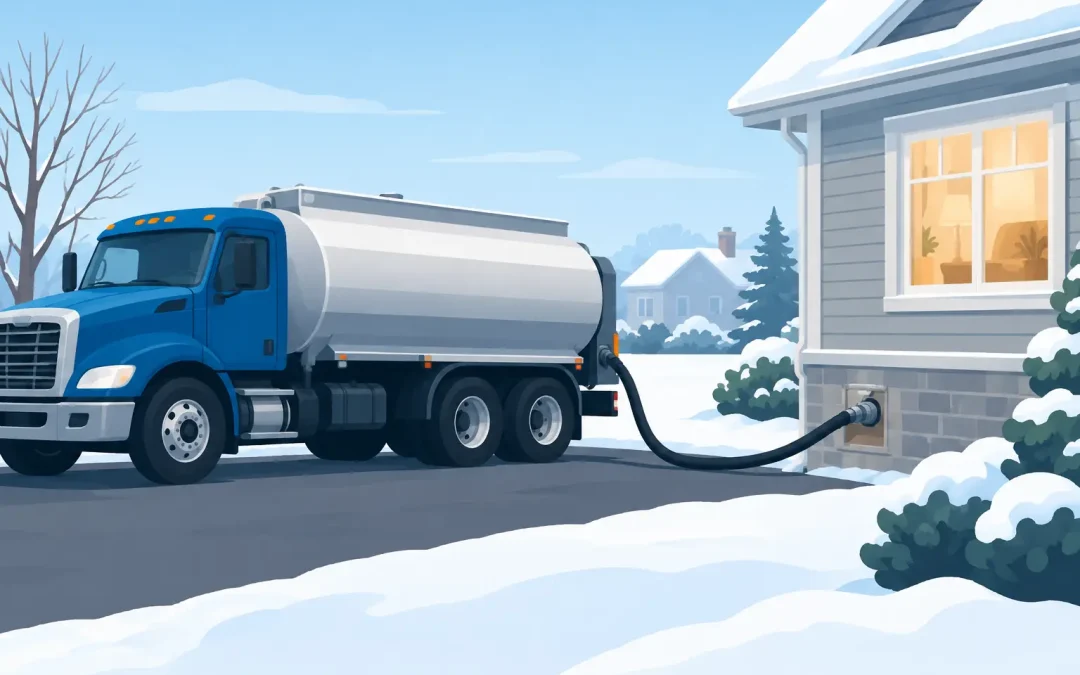
When the temperature drops below freezing, a low oil tank is more than an inconvenience. It can leave your home without heat, put plumbing at risk, and create a stressful situation when roads are snow-covered and demand is high. If you are searching for heating fuel oil delivery near me, you need more than the closest name in a search result. You need a local supplier with the people, delivery capacity, and service support to help keep your home comfortable through a Wisconsin or Michigan winter.
How Heating Fuel Oil Delivery Near Me Works
Local heating oil delivery should fit the way you live. Some households prefer to watch their tank level and order fuel when it reaches a certain point. Others want a provider to manage deliveries based on weather, past fuel use, and tank capacity. Both options can work well. The right choice depends on how closely you want to manage your supply and whether someone is regularly available to check the tank.
With will-call delivery, you contact your provider when you are ready for a fill. This can give you more control over the timing of your order, but it also puts the responsibility for monitoring fuel levels on you. During a cold stretch, a home may use more oil than expected. Waiting until the gauge is near empty can make delivery harder to schedule, especially after a winter storm.
Automatic delivery takes that concern off your list. Your provider uses your past usage, current temperatures, and other factors to estimate when your tank needs fuel. A delivery is scheduled before you run low, without requiring you to place an order every time. For many homeowners, automatic delivery is the simplest way to avoid an unexpected runout.
Tank Monitoring Adds Another Layer of Protection
Connected tank-monitoring technology can make fuel management even easier. A monitor tracks your tank level and sends information to your smartphone, giving you a clearer picture of your supply. It can also help your fuel provider plan deliveries with more accuracy.
Monitoring does not replace good service. It works best when it is backed by local drivers, trained technicians, and a team that can respond when conditions change. A heavy snowstorm, an extended cold snap, or a change in household routines can affect fuel use. Having both technology and people watching out for your delivery needs provides added peace of mind.
What to Look for in a Local Heating Oil Provider
A low advertised price may catch your attention, but fuel delivery is an ongoing service relationship. Before choosing a provider, look at what happens after the truck leaves your driveway. You want dependable communication, a clear delivery process, and help when your heating system or fuel supply needs attention.
Ask these practical questions before you sign up:
- Is automatic delivery available, and how does the provider estimate my fuel needs?
- What support is available if I am low on fuel or have a no-heat emergency?
- Can I view my account, delivery history, or tank information online or through an app?
- Are payment plans available to help spread winter heating costs over the year?
Service area matters, too. A company may appear nearby online but may not deliver to your specific address, particularly in rural areas. Confirm that it serves your community and ask how it handles deliveries during difficult weather. A regional provider with established routes, local drivers, and year-round operations is often better prepared than a company trying to cover a wide area with limited support.
For homeowners in central and northern Wisconsin, major Wisconsin markets, and parts of Michigan, Ritchie Oil and Propane has provided local energy service since 1962. That kind of long-term local presence matters when winter weather puts every delivery schedule to the test.
Delivery Timing Depends on More Than Your Tank Gauge
Your tank gauge is useful, but it does not tell the full story. Oil use rises when temperatures fall, and several cold days in a row can change how quickly your supply drops. A larger home, poor insulation, a higher thermostat setting, frequent hot-water use, and more people at home during the day can all increase consumption.
That is why it is wise to request fuel before the tank is critically low. Many households use the one-quarter mark as a point to check their delivery status or place an order. Your provider can recommend a better ordering point based on the size of your tank, your equipment, and typical usage.
If you are new to heating oil, do not guess about your tank capacity. Ask your provider to help identify the tank size and explain the gauge. A tank may not accept the full amount shown on its nameplate, and a delivery driver needs safe access to make an accurate fill.
Keeping Delivery Day Simple and Safe
A few minutes of preparation can prevent delays. In winter, keep the path to your tank fill clear of snow, ice, vehicles, and other obstacles. Make sure your house number is visible from the road, especially if your driveway is long or set back. If you have a gate, a locked fence, or a dog on the property, let your provider know what the driver should expect.
Outdoor tanks and fill pipes should remain accessible after storms. Avoid piling snow against the tank or covering the fill connection. If conditions at your property have changed since your last delivery, such as construction work, a new driveway layout, or a damaged fill pipe, notify the office before the truck arrives.
Safe delivery is not just about convenience. Drivers need room to position the truck, run the hose safely, and inspect the delivery point. Clear access helps protect your property, your family, and the delivery professional serving your home.
Managing Heating Costs Without Waiting for a Crisis
Heating oil costs can change throughout the season. Weather, market conditions, and household usage all affect what you spend. While no provider can remove every price change, a budget plan can make your monthly expenses easier to manage.
With a budget payment plan, estimated annual fuel costs are divided into more predictable payments. Instead of facing several large bills during the coldest months, you can spread costs over the year. This approach is especially helpful for households on fixed incomes or families that want more consistency in their monthly budget.
It also helps to keep your account information current. Make sure your provider has the right phone number, email address, billing preference, and delivery instructions. Customer portals and mobile apps can make it easier to review bills, make payments, check delivery activity, and update account details without waiting for business hours.
What to Do If You Are Running Low on Heating Oil
If your gauge is approaching empty, call your provider as soon as possible. Do not wait for the heat to stop. Tell the customer service team your current tank reading, whether your system is still operating, and whether there are any access concerns at your property. This helps them understand how urgently you need service.
If you run out completely, your heating system may need to be restarted after fuel is delivered. Depending on the equipment, that can require a trained technician. Avoid trying to restart or service the system if you are not familiar with the proper procedure. Fuel and heating equipment should always be handled with care.
For no-heat situations during cold weather, ask about emergency coverage. Around-the-clock emergency response can make a meaningful difference when your household needs heat, hot water, or protection from freezing temperatures. Keep your provider’s number where everyone in the home can find it, rather than searching for help after a problem begins.
A dependable heating oil provider should make winter feel more manageable, not more complicated. Set up the delivery option that suits your household, keep your tank accessible, and ask about monitoring and budget plans before the coldest weather arrives. That preparation gives you one less thing to worry about when the forecast turns bitter.
Need Fuel Oil Delivery Near You?
Lease a tank, sign up for automatic delivery and autopay, and let our family-owned team keep you warm all winter. For more information, contact us or give us a call.