
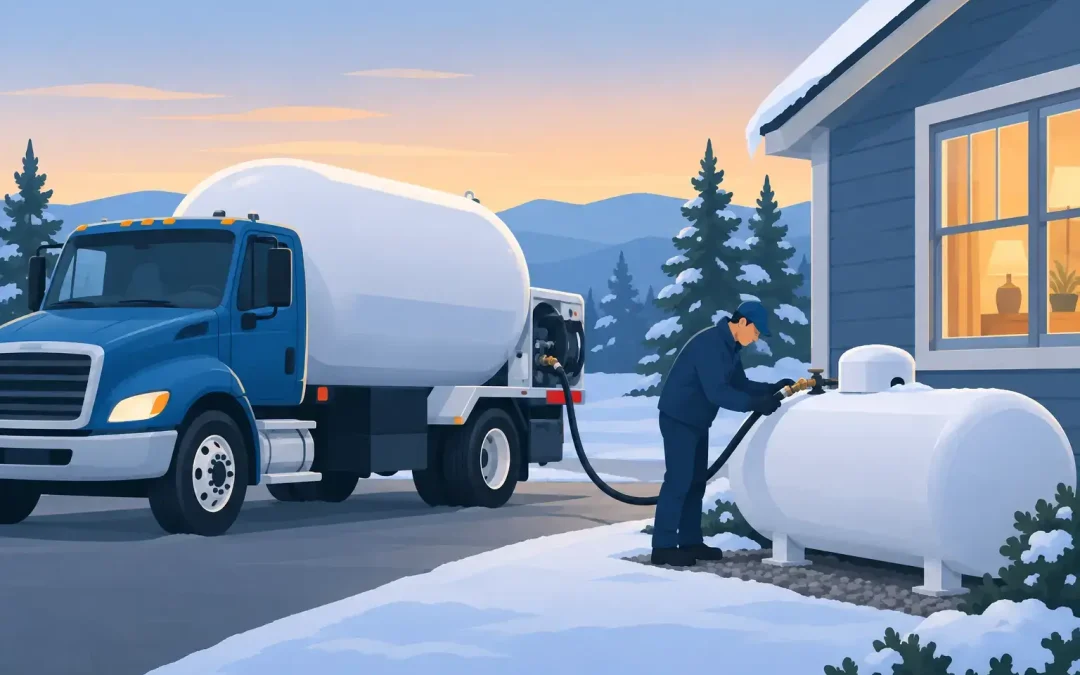
When the heat stops on a Wisconsin winter night, a low propane tank is more than an inconvenience. Your home can cool quickly, pipes may be at risk, and hot water, cooking, or essential equipment may be interrupted. An emergency propane delivery service gives you a clear next step: trained local support focused on restoring your fuel supply safely.
For homeowners, farms, businesses, and active jobsites, the goal is not simply to receive fuel fast. It is to get the right response, protect people and property, and reduce the chance of facing the same emergency again.
When to Call for Emergency Propane Delivery Service
Call for emergency assistance when you have run out of propane or your fuel level is critically low and you depend on propane for heat, hot water, or other essential operations. Do not wait for the temperature indoors to become unsafe or for a weather event to worsen.
A runout can happen for understandable reasons. A prolonged cold snap can make a heating system use more fuel than usual. A household may have more guests, a business may extend its hours, or a farm facility may need extra heat. Construction and temporary-heating needs can also change quickly. Sometimes a delivery is delayed by severe weather or access conditions.
If your tank gauge is approaching empty, calling before the fuel is gone can make a real difference. A low-fuel delivery is often simpler than a complete runout. Once a tank is empty, your provider may need to complete additional safety steps before propane service can be restored.
What to Do if You Run Out of Propane
Your first priority is safety. If you smell propane – often described as a strong, unpleasant odor – or suspect a leak, leave the area immediately. Do not create sparks or flames. Avoid operating electrical switches, appliances, or vehicles nearby. From a safe location, call 911 or the fire department and then contact your propane provider.
If there is no odor or sign of a leak but your heat has stopped, check your fuel level if you can do so without entering an unsafe area. A gauge reading near empty is useful information to share when you call. Be ready to provide your address, a callback number, whether heat is out, the approximate tank level, and any access concerns such as a long driveway, snow, gates, pets, or a locked building.
Do not try to restart propane appliances after a runout. When a tank reaches empty, air can enter the system. A trained service technician may need to perform a leak check and safely restore service before appliances are relit. That process protects your household and helps make sure your equipment operates as intended.
While you wait, keep exterior doors closed and use safe, approved heat sources only as directed by their manufacturer. Check on children, older adults, and anyone with health concerns. If temperatures are dropping quickly, arrange a warm place to stay if needed. A provider will work to respond quickly, but response times can depend on weather, road conditions, delivery demand, and safe access to your property.
Why a Runout Requires More Than a Delivery
It is natural to think that an empty tank only needs a refill. In practice, a propane runout can involve more. Propane appliances and gas lines are designed to operate as a closed system. When the fuel supply is exhausted, qualified personnel may need to confirm there are no leaks before gas is introduced again.
That extra step may feel frustrating when you are cold, but it is a safety measure, not unnecessary delay. A full-service propane provider coordinates delivery with trained technicians and service support so customers are not left trying to sort out the next step alone.
This is especially valuable for properties with several propane appliances, intermittent occupancy, or a tank located far from the home. It also matters for agricultural and commercial customers, where a fuel interruption can affect more than indoor comfort. Livestock buildings, equipment, workspaces, and temporary heat systems all have operating needs that deserve prompt, informed attention.
How to Help Emergency Crews Reach You Faster
During a winter emergency, access can be as important as the fuel level. Drivers need a safe route to the tank and enough room to deliver without damaging property or putting anyone at risk. Keeping the route reasonably clear throughout the season can prevent delays when conditions turn difficult.
Before winter settles in, make sure your provider has current contact information and knows about any changes to your property. A new gate code, a relocated tank, a new dog, a steep driveway, or seasonal road restrictions can all affect a delivery. If your tank is buried in snow or difficult to locate, clear markings can help service crews work more efficiently.
It also helps to know where the tank is and how to read its gauge. You do not need to manage every delivery yourself, but understanding the number gives you an early warning if fuel use rises unexpectedly. A sudden change may be caused by colder weather, added usage, or a heating system that needs attention.
Preventing the Next Propane Emergency
The best emergency response is paired with a plan that lowers the chance of another runout. For many households, automatic delivery is the simplest option. Your provider estimates fuel use based on past deliveries, weather, and seasonal patterns, then schedules deliveries before the tank reaches a critical level.
Automatic delivery is not one-size-fits-all. Properties that are used only part of the year, homes with major changes in occupancy, and businesses with changing operational demands may benefit from more frequent communication. Let your provider know when usage is likely to change. A quick call before a long cold spell, a family visit, or a period of increased business activity can help keep delivery planning accurate.
Smart tank monitoring adds another layer of protection. Connected monitoring can give customers visibility into their propane level from a smartphone while helping the provider identify when a delivery is needed. It does not replace responsible use or access planning, but it can reduce guesswork and make it easier to spot a problem early.
Budget payment plans can also support better fuel planning. Winter energy costs can rise sharply during long stretches of cold weather. Spreading payments more predictably helps many families avoid a surprise expense at the same time they need fuel most.
Dependable Support Close to Home
A dependable propane relationship is built long before a late-night call. It includes reliable scheduled delivery, knowledgeable technicians, clear communication, and a provider that understands winter travel and rural access. For customers across northern Wisconsin and nearby Michigan communities, local experience matters when snow, wind, and below-zero temperatures put pressure on every heating system.
Ritchie Oil and Propane has served regional customers since 1962 with around-the-clock emergency response, delivery support, equipment service, and practical tools such as automatic delivery and tank monitoring. The purpose is straightforward: help customers stay warm and avoid being caught off guard.
If your propane level is low, do not wait for the tank to reach empty. Contact your fuel provider early, keep your property accessible, and ask which delivery and monitoring options best fit the way you use propane. A little planning before the next cold front can protect a lot of comfort when it arrives.